The call took four minutes. I had a pen and the green notebook ready, Greg was sitting across the table with his coffee, and the woman at the loan servicer read me the payoff amount down to the penny, including the interest for the days left in the month.
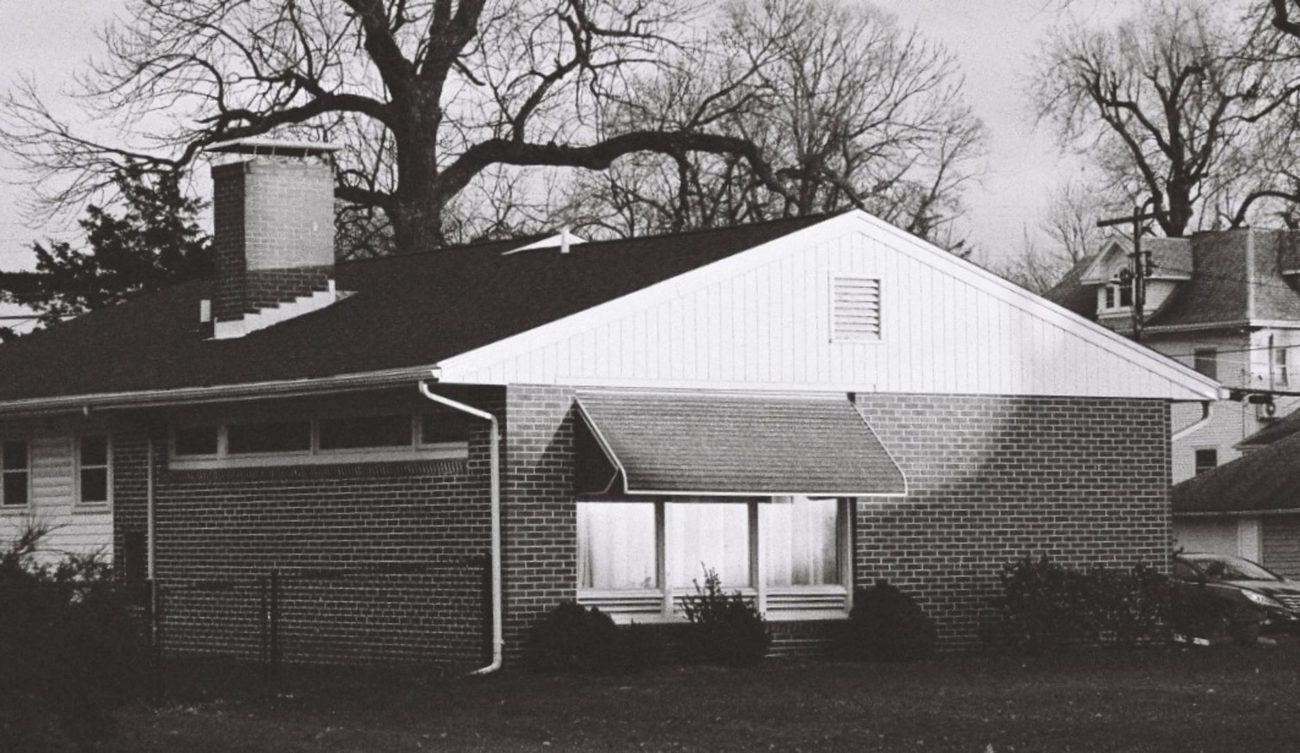
On March 2, the last $893 payment went out, along with a final $1,018 of principal to close the loan. Twenty-seven years after we bought our split-level in Franklin for $112,000, and fourteen years after we refinanced to a 15-year at 3.5%, it's ours.
We had a countdown sheet on the refrigerator since September with seven boxes on it. Greg colored in the last one and then didn't say anything for a minute. Neither did I. Then he said, "So what's for dinner," which is how he handles feelings.
The paperwork that came after
I assumed the end of a mortgage was the end of the paperwork. It's the opposite. Here's what has shown up so far, in order:
- A "paid in full" letter from the servicer about ten days later. I put it in the fireproof box with the deed.
- A note that the lender would record a release of the mortgage with the Warren County Recorder. Ohio law gives them up to 90 days to record it. I've put a reminder in my phone for early June to check the county's online records and make sure it's there.
- A final year-end statement promised for next January, showing the small amount of interest we paid in 2026.
- Our original note marked paid, which we're still waiting on. Some lenders send it and some don't. I'm curious enough to ask.
The release is the one that matters. Until it's on record, the county still shows a lien on the house. If we ever sell, a title company will look for it. Better to catch a mistake now than in a hurry later.
The escrow surprise nobody mentions
For fourteen years our monthly payment included escrow, about $395 a month in 2026, which the servicer used to pay our property taxes and homeowners insurance. We never had to think about either bill. That ends with the loan.
Two things happened that I didn't see coming.
First, a check. Whatever was left in the escrow account after the last tax payment came back to us. Ours was $1,126, and it arrived about three weeks after the payoff. Greg wanted to call it found money. It isn't. It's our own tax and insurance money that hadn't been spent yet, and it needs to go right back to the same job.
Second, the bills are now ours. Property taxes in Ohio are paid twice a year in halves. The servicer paid the winter half in February. The summer half, about $1,740, is on us now. Our homeowners insurance renews in the fall, and that's on us too. I called the county treasurer's office to make sure the next bill comes to our house and not to the servicer's tax department, which apparently happens more than you'd think. I also called our insurer to remove the lender from the policy.
So here is our new rule. The $395 a month that used to be escrow still leaves checking every month. It goes into a separate savings account we've labeled "house bills." That account pays the taxes and the insurance. The $1,126 escrow check went in there first, to give it a head start on July.
What it actually feels like
Better than I expected and smaller than I expected, both at once. The money doesn't feel different yet, because the $893 hasn't had a chance to pile up. What feels different is the house. I walked down the half-flight to the laundry this morning and thought, these steps are paid for. Silly, but true.
We haven't decided where the $893 goes yet. That's next month's conversation, and I have opinions. For now it sits in checking while we look at the roof, which is twenty-two years old and getting looked at by contractors next month.
The usual disclaimer: this is what happened to us with our loan in Ohio. Your servicer, your county and your state may do things differently. Read your payoff letter closely, and if something looks off, call. The people on the phone were kinder than I expected, and every one of them seemed glad to hear a happy ending for once.