Three roofing quotes are clipped together on the refrigerator under a magnet from Kings Island, and every time I open the door for milk I see the bottom line on the top one: $14,500. I've been staring at those three pieces of paper for two weeks.
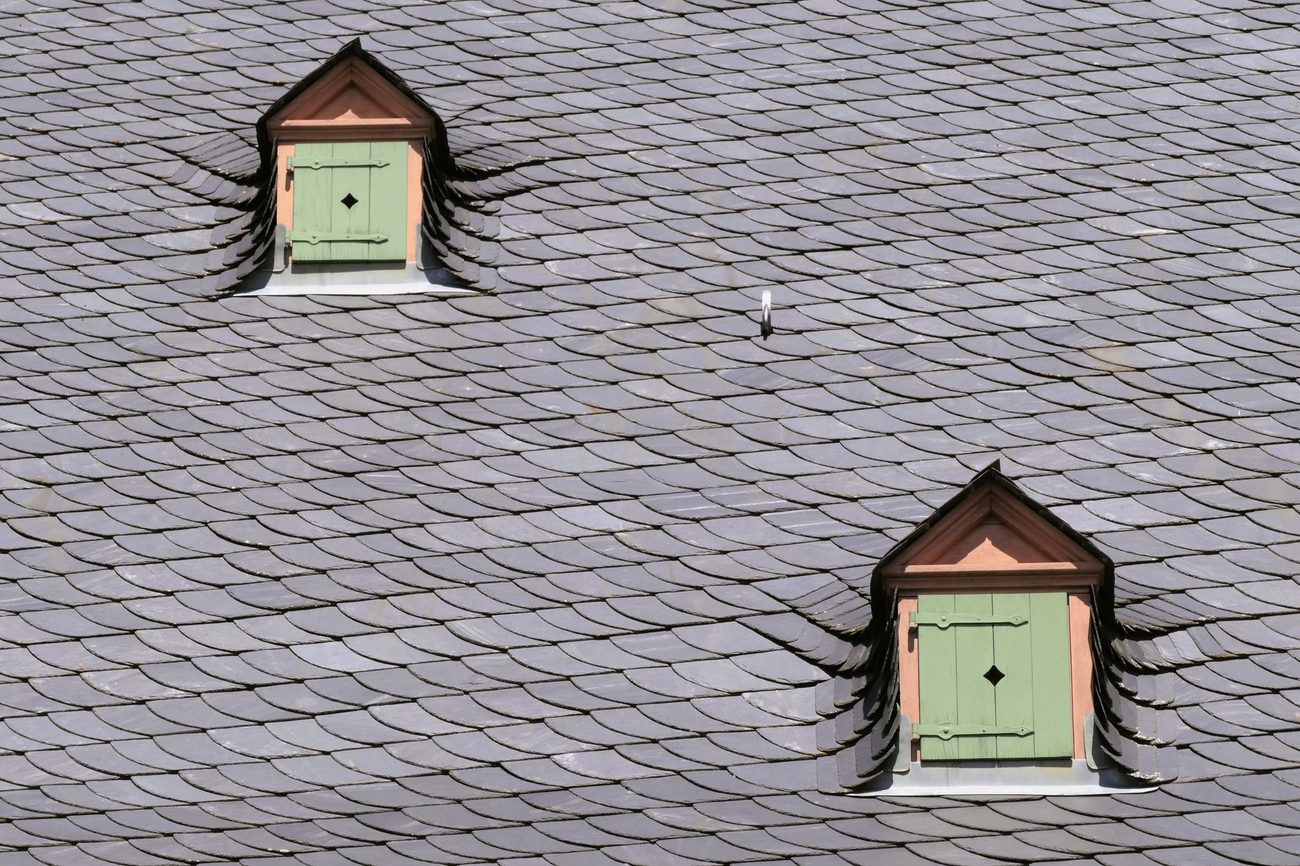
Our roof went on in 2004. It's architectural asphalt shingles, which were supposed to be good for 25 to 30 years, so on paper we're not there yet. But it's been through twenty-two Ohio summers and winters, a few good hail storms and one ice storm that took down half the Hendersons' maple, and last fall when the gutter crew was up there one of them mentioned that the shingles on the south side looked tired. That word stuck with me.
So this spring, with the mortgage paid off last month, I decided to find out what we're actually looking at.
The inspection first
Before calling roofers, we paid an independent home inspector $175 for a roof-only inspection. I wanted someone who wasn't selling us a roof to tell us how bad it was. A couple of people told me that was a waste of money, since roofers give free inspections. I still think it was the best $175 I spent this spring.
He spent about an hour on the roof and in the attic. His summary, in plain terms:
- Noticeable granule loss on the south and west slopes, which get the most sun.
- A few shingles with lifted edges near the ridge, and one cracked boot around a plumbing vent.
- No active leaks, no soft spots in the decking, and the attic looked dry with decent ventilation.
- His estimate: one to three years of useful life left, maybe more with a couple of small repairs.
He said if it were his house, he'd fix the vent boot and the lifted shingles now and plan to replace the roof within two years. That was the most useful sentence anyone said to me all month.
Three quotes
Then I called three roofing companies for quotes on a full tear-off and replacement. Our house is about 1,720 square feet of living space, but the roof measured about 21 squares (a square is 100 square feet of roof) because of the split-level layout and the garage.
Quote one was $11,800 from a small local company. Architectural shingles, synthetic underlayment, new drip edge and ridge vent, a 10-year workmanship warranty.
Quote two was $12,900 from a mid-size company. Same basic materials, plus ice-and-water shield along the eaves and valleys, which quote one didn't mention, and a 15-year workmanship warranty.
Quote three was $14,500 from a large company with a showroom. Higher-end shingles, the ice-and-water shield, a longer manufacturer warranty, and a salesman who stayed for an hour and fifty minutes. Greg went to the garage after the first forty.
The difference between the low and high was $2,700. When I lined them up in my spreadsheet, the middle one looked like the best value to me, mostly because of the ice-and-water shield. I asked the first company to re-quote with it included and they came back at $12,450. That's where things stand.
Why we're waiting
We had the vent boot replaced and the lifted shingles sealed for $285 by the company that gave us the middle quote. They didn't push for the whole roof, which made me like them more.
After that, Greg and I sat down with the green notebook. We could pay for a roof now out of savings. But it would take savings down further than I'm comfortable with, less than a year after I left my job and while Greg still has years of work ahead. The inspector gave us one to three years. We're going to take one to two and use the time to save.
Greg's comment was, "The roof's not going anywhere." I told him that was exactly the problem.
How we're saving for it
Our last mortgage payment was in March. That payment was $893 a month for principal and interest. We haven't decided on the exact split yet, but a good part of that $893 is going to go toward the roof every month starting in May. If we put even $400 a month toward it, that's $9,600 in two years, plus what we've already set aside in a separate savings account, which is about $4,000.
So the plan is to have $12,000 to $14,000 by spring 2028 at the latest, then get updated quotes. Prices will probably be higher by then. I've written "assume 8 percent more" in the notebook so I'm not surprised.
In the meantime I'm keeping the inspector's report in the folder with the homeowners policy, and I'm going to look up at that south slope every time it storms. Not that looking helps. It just makes me feel like I'm doing something.