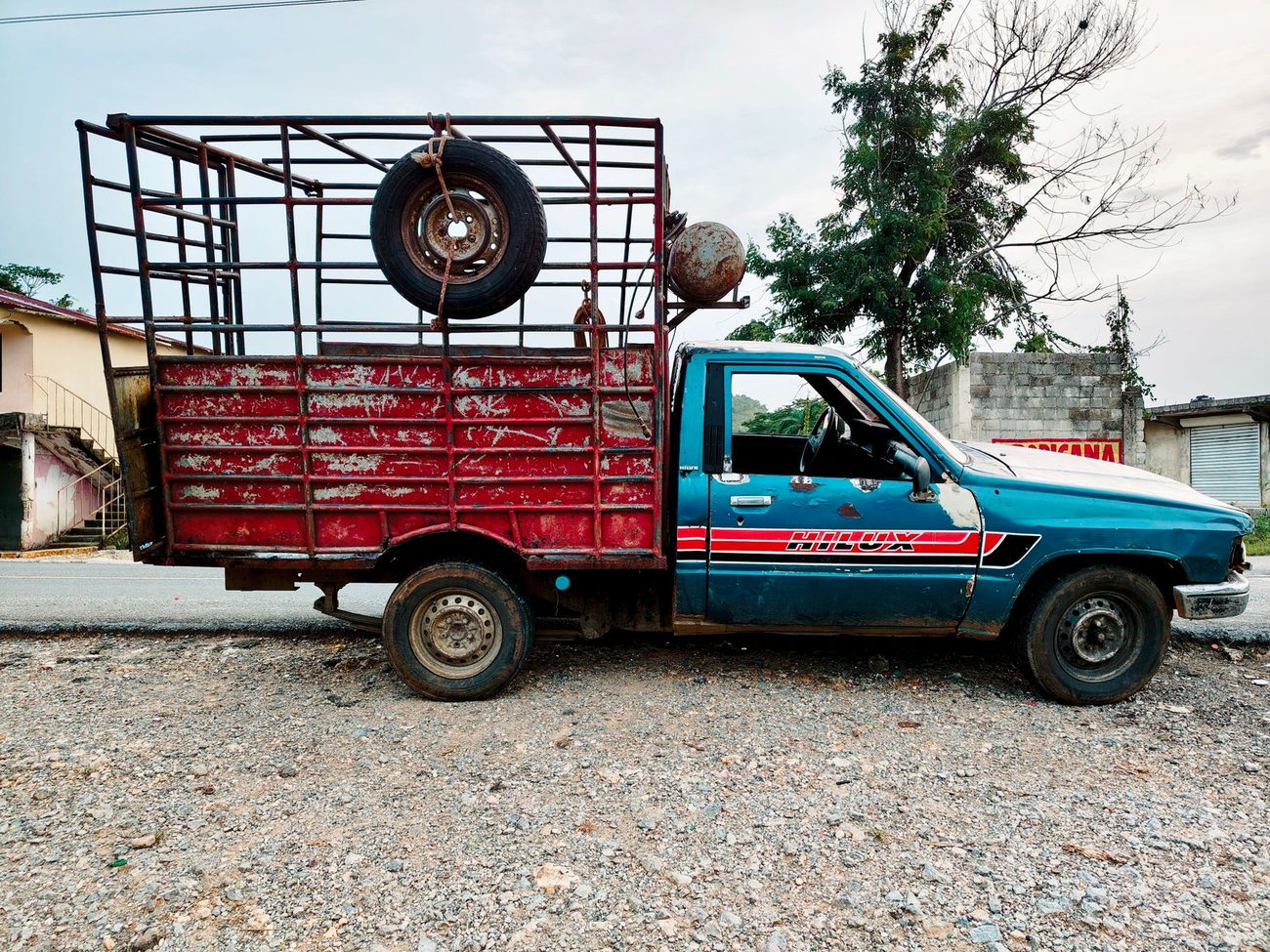
Greg's truck has 168,000 miles on it, a crack in the dash where the sun hits it, and a smell I would describe as old coffee and bread. He loves it more than I'm comfortable with. It's a 2014 F-150, and it's paid off. It's also been costing us $38 a month for collision coverage.
When our new policy started October 1, I made a note to revisit collision before the year was out. This week I finally did the math at the kitchen table, and Greg actually pulled up a chair, which tells you he cared.
What collision actually pays for
Collision covers damage to your own vehicle when you hit another car or an object, or roll it, no matter who is at fault. It's different from comprehensive, which covers hail, theft, fire, a falling tree and, important around here, hitting a deer. Liability covers damage you do to other people and their property. Liability is required in Ohio. Collision and comprehensive are optional once the vehicle is paid off.
That's the first thing I didn't fully understand. If Greg hits a deer on a back road near Caesar Creek, that's comprehensive, not collision. Dropping collision wouldn't touch that.
The simple math
We looked up the truck's value on two pricing guides and checked a few local listings. Private-party value came out around $13,000. Here's what I wrote down:
- Collision premium: $38 a month, or $456 a year
- Collision deductible: $1,000
- Most collision would ever pay: about $13,000 minus $1,000, so $12,000, and less each year
- Next year's likely value: maybe $11,500, so a top payout of about $10,500
The rule of thumb I'd read is to think hard about dropping collision when the yearly cost is more than about 10 percent of what the coverage could pay out. By that measure, $456 against $12,000 is under 4 percent, so the rule said keep it.
That stopped me for a minute. But a rule of thumb isn't our situation, so we asked ourselves different questions.
The questions that actually decided it
Could we afford to replace the truck tomorrow if Greg wrecked it? Not with cash for a new truck, but with cash for another decent used one. We have emergency savings that would cover it without borrowing.
How likely is a wreck where he's at fault? Greg drives the truck about 6,000 miles a year now. Most of it is the 12 minutes to work at 3:40 in the morning on empty roads, plus trips to Lowe's. He's had one at-fault accident in 40 years of driving, a parking-lot fender bender in 1998. If someone else hits him, their liability coverage should pay.
Would we even fix it? This was the big one. If the truck took $4,000 in damage, I'm not sure we'd repair a 2014 truck with 168,000 miles. More likely we'd take the check and put it toward the next vehicle. On a truck this age, a lot of real accidents end up as a total loss anyway, and the payout shrinks every year as the value drops.
What happens to $456 a year if we keep it? If we drop collision and put that $38 a month in a savings account labeled "truck," in five years we'd have about $2,300 set aside, plus a little interest. That's our own collision coverage, and we keep it if nothing happens.
Greg's summary: "So we're betting on me." I said yes. He looked pleased about that for the rest of the evening, and I let him have it.
What we changed and what we kept
I called the independent agent who set up our policies in September. We dropped collision on the F-150 effective December 15. The change saves $38 a month, and the insurer will credit the unused part of the term.
We kept comprehensive on the truck. It's only about $11 a month, and with deer season, hail season and a truck parked in the driveway half the time, it's worth it to us. We kept our liability at the same high limits. If anything, I'd lower collision before I'd ever lower liability, because liability protects everything else we own.
We did not drop collision on my SUV. It's a 2017, worth quite a bit more, and I'm on the road more for errands and visits to Mom in Middletown. We'll look at it again in a few years.
A few cautions. If you still have a loan on a vehicle, the lender usually requires collision, so this doesn't apply. If losing your car would leave you without a way to work and no savings to replace it, collision may still be worth every penny. I'm not an insurance agent, just someone who likes a clear column of numbers. For us, the numbers said the truck could fend for itself.
The first $38 went into the truck fund this morning.